
Pakistan salt manufacturers have warned that US President Donald Trump’s latest tariff increase could spell disaster for their export business, as they called the move “final nail in the coffin”.
US President Donald Trump this week triggered a shockwave in the global trade market by introducing reciprocal tariffs on over 180 countries.
Whether this benefits the US in the long run would depend on the broader economic and strategic context but as of today it has stirred a panic situation among Pakistani exporters.
In a statement, the Salt Manufactures Association of Pakistan (SMAP) said that Pakistan’s economy is heavily reliant on textile, apparel, surgical instruments and salt, a significant portion of which go to the US.
“Although salt exports are peanuts compared to other products but it still holds 60% share in US market,” SMAP founder Ismail Suttar said.
He was of the view that introducing tariffs would largely impact the consumption of the products in the US.
“We will loose price competitiveness to other exporters, hence decreasing our product demand and later on exports.
US tariffs will hurt Pakistani products’ competitiveness, experts warn
“This is a fall that we cannot take considering our ongoing economic crises,” he maintained.
SMAP founder urged the government to adopt a multi-pronged strategy to mitigate the economic and diplomatic impact.
“Otherwise, we are more exposed to the threat that the EU might also reassess its trade policies toward Pakistan based on US actions.”
Suttar further said Pakistan should open all diplomatic channels with US trade officials to negotiate exemptions or tariff reductions, emphasising on mutual benefits.
“Pakistan designed a duty structure of 58% on American products but that was to control our imports in order to reduce trade deficit, a reciprocal tariff of 29% on Pakistan’s export product to US will bring us back to the similar situation of large trade deficit due to reductions in export value as well.”
He was of the view that the idea behind US sudden decision was to kickstart their own production and improve manufacturing industries in the US, but
“this step can be fatal for Pakistan’s economy as our SME sector is leading the exports from front and they are already combating with a lot of competitors to secure their position in the US export market”.
“US is the biggest importer of Pakistan sea salt but these tariffs can shift the supplier to other countries such as Australia, Chili, Turkey, EU and Israel,” Suttar maintained.
Inflation drops to 59-year low at 0.7% in March 2025
“To mitigate this impact our government officials should form an immediate task force fully prepared to go and start negotiations with the Trump administration to lower the tariff rate to atleast 10%.”
Suttar feared that higher tariffs could lead to job losses in Pakistan’s export-oriented industries and reduce foreign exchange earnings.
“To counter this impact the government and the foreign office should take immediate action or else we will plunge into a never-ending cycle of economic crunch,” he said.

Pakistan salt manufacturers have warned that US President Donald Trump’s latest tariff increase could spell disaster for their export business, as they called the move “final nail in the coffin”.
US President Donald Trump this week triggered a shockwave in the global trade market by introducing reciprocal tariffs on over 180 countries.
Whether this benefits the US in the long run would depend on the broader economic and strategic context but as of today it has stirred a panic situation among Pakistani exporters.
In a statement, the Salt Manufactures Association of Pakistan (SMAP) said that Pakistan’s economy is heavily reliant on textile, apparel, surgical instruments and salt, a significant portion of which go to the US.
“Although salt exports are peanuts compared to other products but it still holds 60% share in US market,” SMAP founder Ismail Suttar said.
He was of the view that introducing tariffs would largely impact the consumption of the products in the US.
“We will loose price competitiveness to other exporters, hence decreasing our product demand and later on exports.
US tariffs will hurt Pakistani products’ competitiveness, experts warn
“This is a fall that we cannot take considering our ongoing economic crises,” he maintained.
SMAP founder urged the government to adopt a multi-pronged strategy to mitigate the economic and diplomatic impact.
“Otherwise, we are more exposed to the threat that the EU might also reassess its trade policies toward Pakistan based on US actions.”
Suttar further said Pakistan should open all diplomatic channels with US trade officials to negotiate exemptions or tariff reductions, emphasising on mutual benefits.
“Pakistan designed a duty structure of 58% on American products but that was to control our imports in order to reduce trade deficit, a reciprocal tariff of 29% on Pakistan’s export product to US will bring us back to the similar situation of large trade deficit due to reductions in export value as well.”
He was of the view that the idea behind US sudden decision was to kickstart their own production and improve manufacturing industries in the US, but
“this step can be fatal for Pakistan’s economy as our SME sector is leading the exports from front and they are already combating with a lot of competitors to secure their position in the US export market”.
“US is the biggest importer of Pakistan sea salt but these tariffs can shift the supplier to other countries such as Australia, Chili, Turkey, EU and Israel,” Suttar maintained.
Inflation drops to 59-year low at 0.7% in March 2025
“To mitigate this impact our government officials should form an immediate task force fully prepared to go and start negotiations with the Trump administration to lower the tariff rate to atleast 10%.”
Suttar feared that higher tariffs could lead to job losses in Pakistan’s export-oriented industries and reduce foreign exchange earnings.
“To counter this impact the government and the foreign office should take immediate action or else we will plunge into a never-ending cycle of economic crunch,” he said.



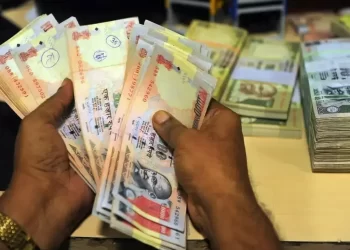



 American Dollar Exchange Rate