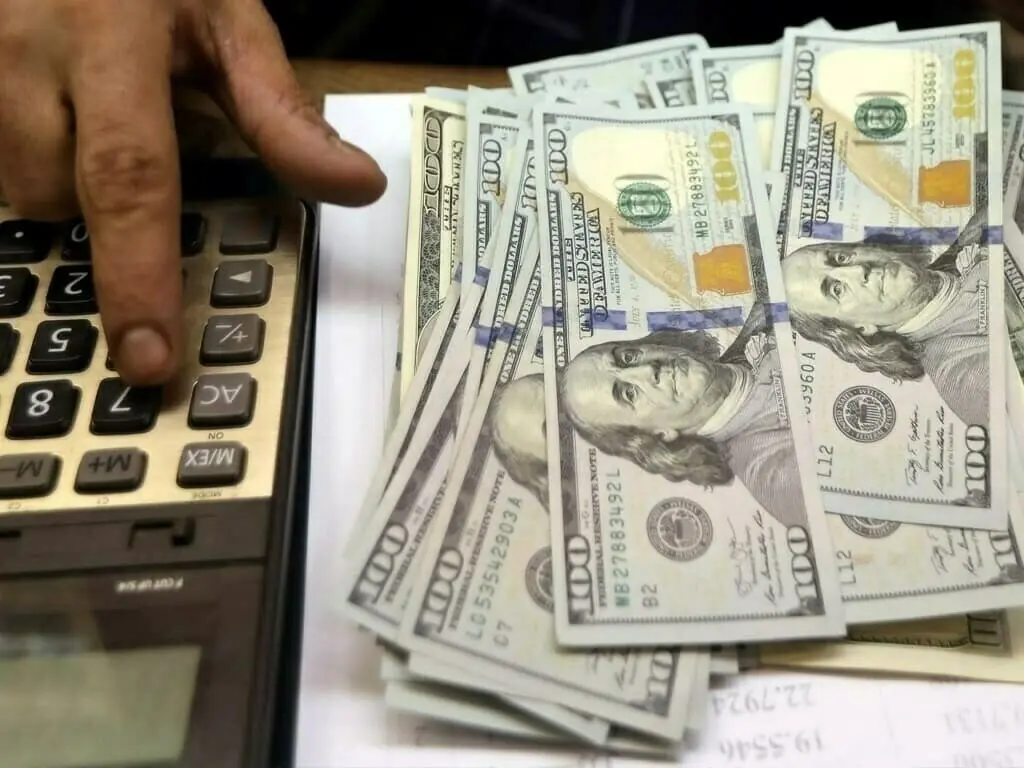

Saudi Arabia and Qatar will provide Pakistan $5 billion in financial assistance, enabling Islamabad to avert stress on the country’s foreign reserves while making external payments by June, Turkish state-run Anadolu Agency, citing sources from Pakistan, reported on Saturday.
The report said the financial assistance would help Pakistan maintain its FX reserves, which may come under stress after the country repays $3.5 billion to the United Arab Emirates (UAE) by the end of this month.
Also read: What options does Pakistan have to pay off $3.5bn UAE loan?
Foreign exchange reserves held by the State Bank of Pakistan (SBP) rose stood at $16.40 billion during the week ended April 3, 2026.
“Riyadh has assured Islamabad of its financial support amid mounting external pressures and rising costs linked to the ongoing tensions in the Middle East,” Anadolu reported.
Saudi Finance Minister Mohammed bin Abdullah Al-Jadaan met with Pakistan Prime Minister Shehbaz Sharif on Friday night in Islamabad.
“Pakistan has requested additional financial assistance, including an expansion of existing cash deposits and an extension of its oil financing facility, which is set to expire later this month,” the Turkish news agency said.
The repayment to the UAE comes as Pakistan targets foreign exchange reserves above $18 billion by June under a $7 billion International Monetary Fund (IMF) programme, which requires bilateral deposits to be rolled over, Reuters reported.
The loan had been rolled over since 2018, including a $3 billion facility at around 6% annual interest, but was shifted from annual to monthly extensions earlier this year before Islamabad decided to repay it in full, with clearance expected by April 23, a govt official told Reuters. Another $450 million UAE loan has remained overdue for years, the official added. This amount is part of the total $3.5 billion being repaid, he said.
A $1.3 billion Eurobond maturing before the end of this fiscal year in June adds to pressure on the country’s external position, with total obligations nearing $4.8 billion.




 American Dollar Exchange Rate