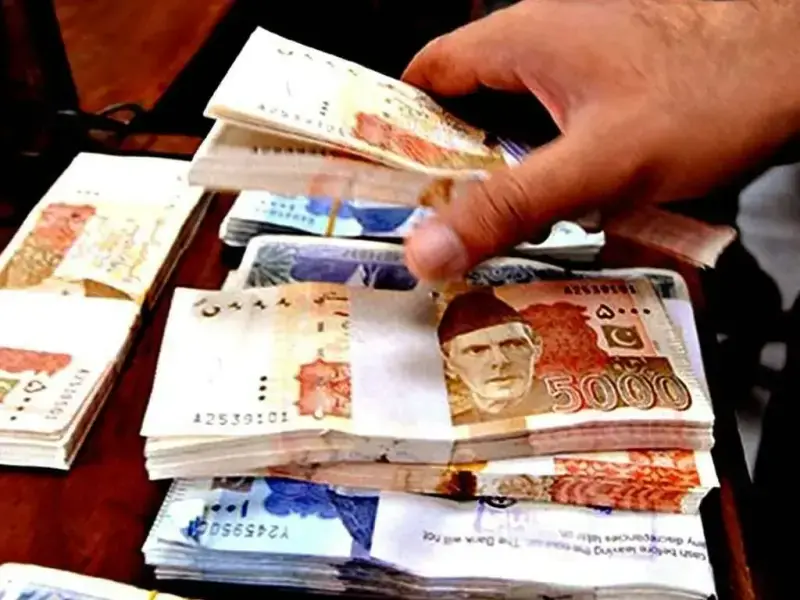

Pakistan’s central bank has cut the average cash reserve requirement (CRR) for banks by one percentage points, boosting the lending capacity of the financial institutions and supporting increased credit flow to businesses – a move that is expected to ramp up economic activities in the country.
Speaking at a press conference to announce monetary policy statement for the next six weeks on Monday, State Bank of Pakistan (SBP) Governor Jameel Ahmad said the bank had reduced the CRR to 3% from 4% for banks to be maintained on a daily basis. It slashed the requirement to 5% from 6% on fortnightly basis.
“The move is aimed at increasing supply of credit to businesses and boosting economic activities in the country,” he said.
The banking sector would see additional liquidity of Rs300-315 billion in the wake of the reduction in CRR, Topline Securities’ analyst Asad Ali said in a commentary.
The central bank maintained the policy rate at 10.5% in the latest monetary policy statement that the business community had demanded to be reduced into a single digit to enable them taking cheaper bank financing to run and expand their businesses.
The central bank, however, reduced the CRR to enable banks to lend more to businesses.
Earlier, financial analysts had anticipated the bank to cut the policy rate by 75 basis points to 9.5% in the day.
Also read: SBP governor urges banks to keep human judgments above AI decisions in loan approvals
In a notification on Monday, the central bank said, “in the wake of improved macroeconomic environment and to enhance banks capacity for lending to the private sector, it has been decided to reduce the average cash reserve requirement to 5% subject to a daily minimum requirement of 3%. The revised requirements will be effective from January 30, 2026”.
At the press conference on Monday, the central bank chief said it had revised up its projection for economic activities by half a percentage points to be in the range of 3.75-4.75% for the current fiscal year 2025-26.
Earlier in July 2025, it had anticipated the growth in gross domestic product (GDP) in the range of 3.25-4.25%.








 American Dollar Exchange Rate