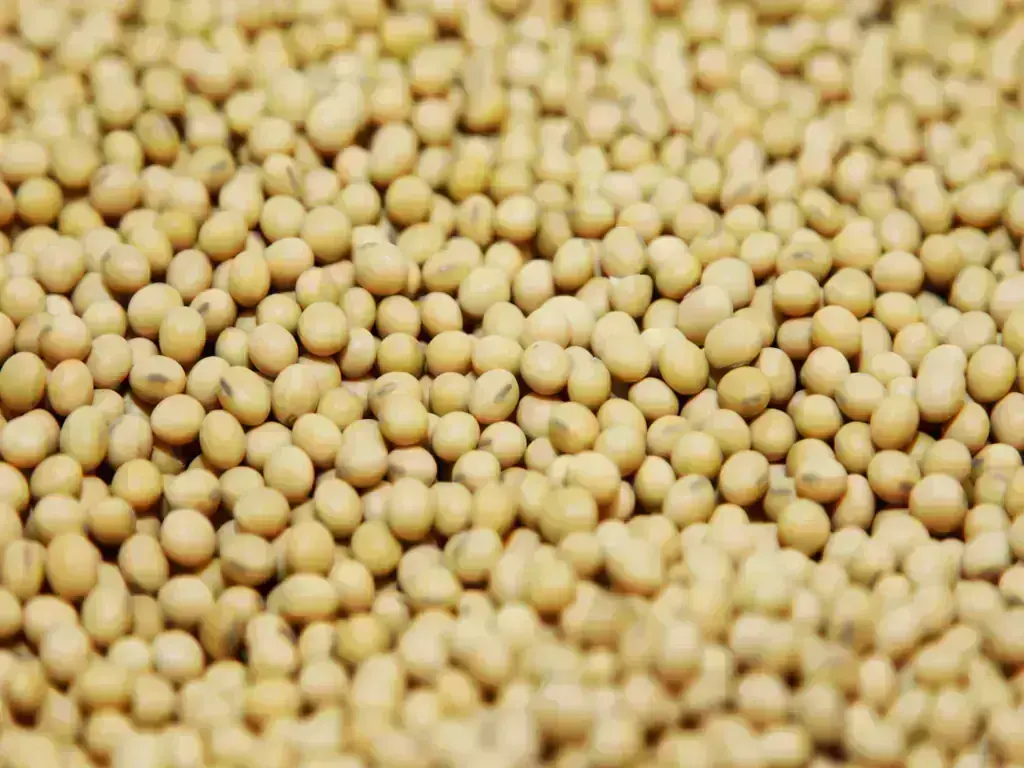
SINGAPORE: Chicago soyoil futures rose to their highest since late 2022 on Tuesday, supported by strength in crude oil as a standoff over the Strait of Hormuz threatened more escalation in the U.S.-Israeli war with Iran.
Wheat, however, fell for a second day as forecasts of rain this week in a swathe of U.S. Plains tempered concerns about drought stress to crops.
Price moves were moderate as investors awaited war developments while crop traders were also looking ahead to a monthly U.S. Department of Agriculture crop report on Thursday.
The most-active soyoil contract on the Chicago Board of Trade (CBOT) was up 0.6% at 70.38 cents per pound by 1258 GMT, after earlier reaching its highest since December 1, 2022, at 70.47 cents.
CBOT soybeans ticked up 0.1% to $11.68 a bushel, while corn eased 0.4% to $4.52 a bushel CBOT wheat fell 0.5% to $5.92-1/4 a bushel.
“Overall the week promises to be eventful both on the geopolitical side, with Trump’s deadline for Iran to open the Strait of Hormuz, and on the fundamental side, with the USDA report due on Thursday,” CM Navigator analyst Donatas Jankauskas said.**
READ MORE: Chicago soybeans extend gains as soyoil prices rally
Oil prices extended gains as Iran showed no sign of agreeing to U.S. President Donald Trump’s demand that it open the Strait of Hormuz to shipping by the end of Tuesday or suffer massive attacks on its civilian infrastructure.
Grains and oilseeds have drawn impetus from crude oil during the month-old Middle East conflict, partly because agricultural goods like soyoil and corn are widely used for biofuel.
The wheat market was reacting to forecasts of rainfall in the U.S. Plains that may reach a bigger expanse of drought-affected cropland than showers last week.
The prospect of timely moisture deflected attention away from a lower-than-expected estimate of U.S. wheat conditions.
In its first weekly crop progress report of the 2026 growing season, the USDA on Monday rated just 35% of the winter wheat crop as being in good-to-excellent condition, a three-year low.
Corn planting was under way, with 3% of the expected area planted, the USDA also said.

SINGAPORE: Chicago soyoil futures rose to their highest since late 2022 on Tuesday, supported by strength in crude oil as a standoff over the Strait of Hormuz threatened more escalation in the U.S.-Israeli war with Iran.
Wheat, however, fell for a second day as forecasts of rain this week in a swathe of U.S. Plains tempered concerns about drought stress to crops.
Price moves were moderate as investors awaited war developments while crop traders were also looking ahead to a monthly U.S. Department of Agriculture crop report on Thursday.
The most-active soyoil contract on the Chicago Board of Trade (CBOT) was up 0.6% at 70.38 cents per pound by 1258 GMT, after earlier reaching its highest since December 1, 2022, at 70.47 cents.
CBOT soybeans ticked up 0.1% to $11.68 a bushel, while corn eased 0.4% to $4.52 a bushel CBOT wheat fell 0.5% to $5.92-1/4 a bushel.
“Overall the week promises to be eventful both on the geopolitical side, with Trump’s deadline for Iran to open the Strait of Hormuz, and on the fundamental side, with the USDA report due on Thursday,” CM Navigator analyst Donatas Jankauskas said.**
READ MORE: Chicago soybeans extend gains as soyoil prices rally
Oil prices extended gains as Iran showed no sign of agreeing to U.S. President Donald Trump’s demand that it open the Strait of Hormuz to shipping by the end of Tuesday or suffer massive attacks on its civilian infrastructure.
Grains and oilseeds have drawn impetus from crude oil during the month-old Middle East conflict, partly because agricultural goods like soyoil and corn are widely used for biofuel.
The wheat market was reacting to forecasts of rainfall in the U.S. Plains that may reach a bigger expanse of drought-affected cropland than showers last week.
The prospect of timely moisture deflected attention away from a lower-than-expected estimate of U.S. wheat conditions.
In its first weekly crop progress report of the 2026 growing season, the USDA on Monday rated just 35% of the winter wheat crop as being in good-to-excellent condition, a three-year low.
Corn planting was under way, with 3% of the expected area planted, the USDA also said.








 American Dollar Exchange Rate