

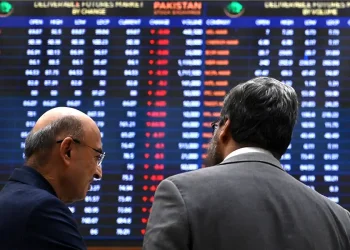
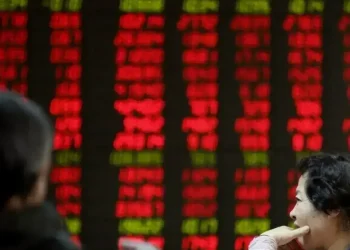
COLOMBO/BENGALURU: Sri Lankan shares sank 5.4% on Tuesday, marking their worst single-day drop since the island nation’s 2022 financial crisis, amid heightened tensions in the Middle East following the conflict in Iran.
The CSE All-Share index slid to 22,443.38, marking its worst day since April 2022. The Colombo Stock Exchange was closed for a local holiday on Monday, with markets having posted a 0.2% drop last week.
Long queues have formed at fuel stations across the island nation as the Middle East conflict has stoked fears of oil shortages, but authorities have assured that the island nation has enough stocks for about 30 days.
The conflict has pushed Brent prices past the $80 mark as the widening U.S.-Israeli conflict with Iran and threats to shipping via the Strait of Hormuz heightened fears of supply disruptions from the key Middle East producing region.
Higher oil prices would hurt Sri Lanka’s trade balance, which meets most of its fuel requirements through imports.
“The drop is very much because of the Iran strikes. We are seeing a bigger impact because Sri Lanka is sensitive to external shocks,” said Raynal Wickremeratne, Co-head of Research at Softlogic Stockbrokers.
The nation of 22 million people is clawing its way back from a crisis brought about by a record shortfall of dollars in 2022, supported by a $2.9 billion loan programme from the International Monetary Fund.
Sri Lanka exports about 50%-52% of its famed Ceylon Tea to the Middle East, which earned $1.5 billion last year.
Remittances from nearly a million Sri Lankans working in the Middle East, particularly Saudi Arabia, also funnelled about $8 billion into the island nation’s foreign reserves in 2025. Most sectors closed in the red on Tuesday, with real estate stocks dropping 8.9% and consumer discretionary stocks posting a 7.5% decline.
Tuesday’s decline also pushed the index to a year-to-date loss of 0.8%.





 American Dollar Exchange Rate