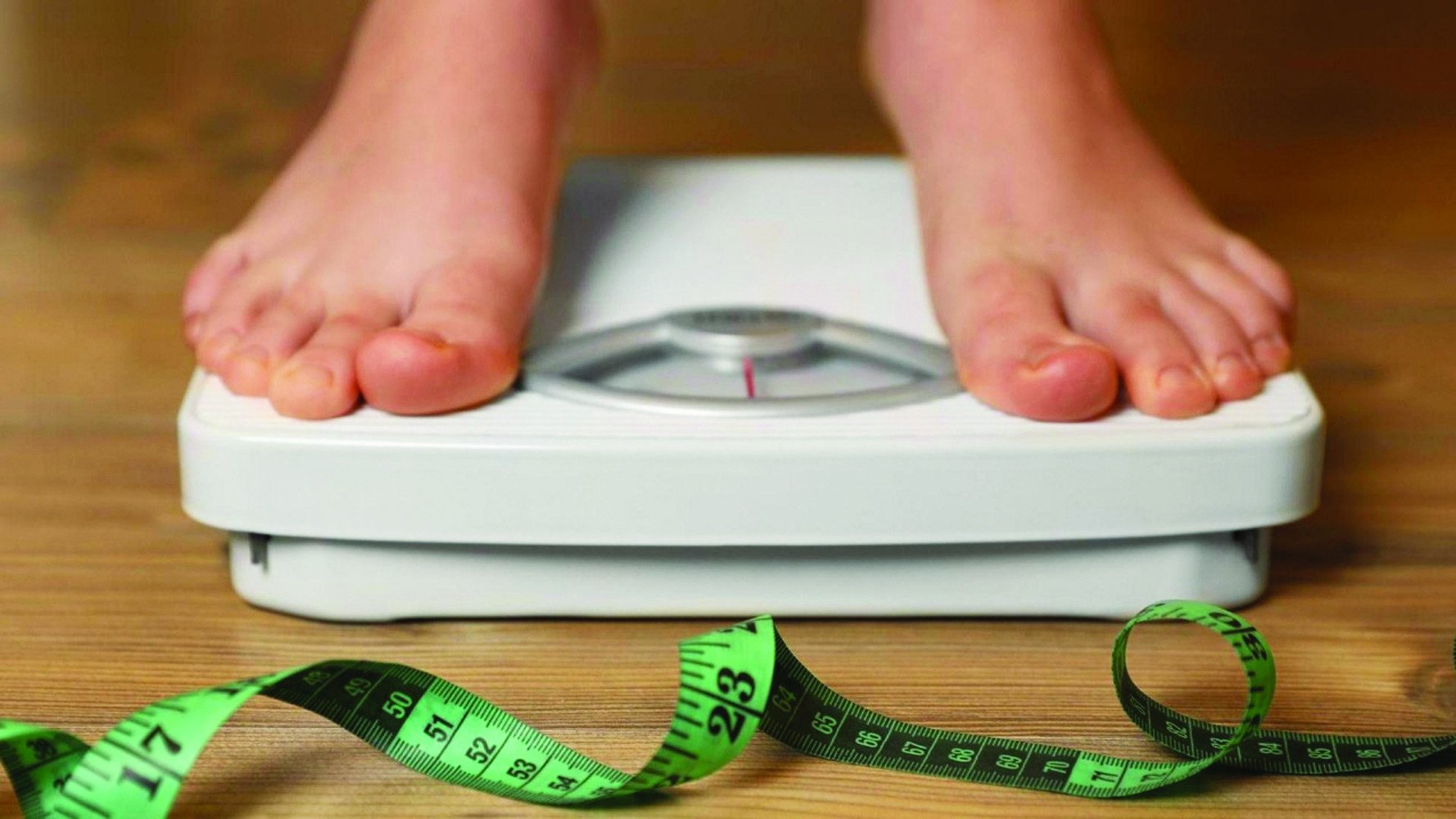
Americans turn to DIY drugs amid soaring costs

In what she calls the “wild west” of obesity medicines, Missouri-based Amy Spencer is a pioneer.
Each week the mother of two injects herself with weight-loss drugs, two of which are in clinical trials and not yet approved for sale by the US Food and Drug Administration. One comes mixed with tirzepatide, the active ingredient in Eli Lilly’s Zepbound.
Spencer, 50, is not part of any drug trial but mixes the cocktails herself, using tiny doses that she believes are safe. The total cost is about $50 monthly, as little as one-tenth of what she would expect to pay their makers for full treatment.
The drugs – glucagon-like peptide-1 (GLP-1) weight-loss medicines – are manufactured and shipped from China, according to the packaging. She orders them through online vendors.
Spencer belongs to a fast-growing group of Americans turning to what many call the “grey market” for obesity medicines, bringing cheap active ingredients from China often labelled as for research purposes, according to import data and social media postings. It’s a trend that drugmakers Lilly and Novo Nordisk, which makes Wegovy, say is dangerous as well as illicit.
Reuters tracked online forums and interviewed seven people who said they bought obesity medicines through this market, including an attorney in Arizona who works for a state insurance agency, a retired nurse in Illinois and a Type 1 diabetic in Louisiana, who said the medicine helped cut her insulin intake by more than half.
For more than a year there has been demand for cheap Chinese-made powders, exacerbated by limited health insurance coverage in the US Buyers told Reuters the grey market received a boost from an FDA ruling last year that US compounding pharmacies – outsourcing facilities that create drugs in shortage – must stop selling obesity medicines more cheaply than the companies that developed them.
Risky business
Shipments of such active ingredients from Chinese entities not registered with the FDA jumped by 44 per cent in January from the previous month, according to research by the Partnership for Safe Medicines, a public health group focused on the safety of prescription drugs.
It said its findings are likely an undercount, because unregistered vendors may not disclose that their parcels contain medicines. Packages valued at less than $800 that enter the US under the de minimis rule are not included in the data.
Nearly three-quarters of US adults are overweight or obese, according to government estimates, but a survey by nonprofit health policy research organisation KFF found only about 8 per cent say they have taken medicine for weight loss.
Most of the grey market buyers Reuters interviewed had told their medical providers they were taking GLP-1 medicines but not where or how they bought them.
Insurance coverage for weight-loss drugs has recently increased, but typically only covers branded versions, according to consulting firm Mercer. Many Americans have paid out of pocket for cheaper compounded drugs. Interest in taking small doses of the drugs has also spurred the online marketplace, buyers said.
Taking to platforms including Reddit and Telegram for guidance, buyers import small quantities, often described as research materials to sidestep regulatory scrutiny. They swap advice for navigating the market, exchanging information on vendors, shipping and dosage, and sometimes clubbing together to cover the cost of testing the powders.
One forum is called StairwayToGray. It has more than 21,000 members on Telegram and recently was gaining nearly 1,000 members weekly. It did not respond to Reuters’ inquiries, and blocked access to the forum after receiving them. It has a website where it says it does not facilitate group purchases.







 American Dollar Exchange Rate