

President Donald Trump’s higher tariff rates of 10% to 50% on dozens of trading partners kicked in on Thursday, testing his strategy for shrinking U.S. trade deficits without massive disruptions to global supply chains, higher inflation and stiff retaliation from trading partners.
U.S. Customs and Border Protection agency began collecting the higher tariffs at 12:01 a.m. EDT (0401 GMT) after weeks of suspense over Trump’s final tariff rates and frantic negotiations with major trading partners that sought to lower them.
Goods loaded onto U.S.-bound vessels and in transit before the midnight deadline can enter at lower prior tariff rates before October 5, according to a CBP notice to shippers, opens new tab issued this week.
Imports from many countries had previously been subject to a baseline 10% import duty after Trump paused higher rates announced in early April.
But since then, Trump has frequently modified his tariff plan, slapping some countries with much higher rates, including 50% for goods from Brazil, 39% from Switzerland, 35% from Canada and 25% from India.
He announced a separate 25% tariff on Indian goods on Wednesday to be imposed in 21 days over the South Asian country’s purchases of Russian oil.
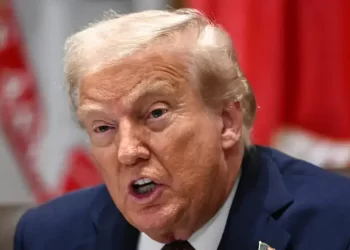
Ahead of the deadline, Trump heralded the “billions of dollars” that will flow into the U.S., largely from countries that he said had taken advantage of the United States.
“THE ONLY THING THAT CAN STOP AMERICA’S GREATNESS WOULD BE A RADICAL LEFT COURT THAT WANTS TO SEE OUR COUNTRY FAIL!” Trump said on Truth Social.
Eight major trading partners accounting for about 40% of U.S. trade flows have reached framework deals for trade and investment concessions with Trump, including the European Union, Japan and South Korea, reducing their base tariff rates to 15%.
Britain won a 10% rate, while Vietnam, Indonesia, Pakistan and the Philippines secured rate reductions to 19% or 20%.
“For those countries, it’s less bad news,” said William Reinsch, a senior fellow and trade expert at the Center for Strategic and International Studies in Washington.
“There’ll be some supply chain rearrangement. There’ll be a new equilibrium. Prices here will go up, but it’ll take a while for that to show up in a major way,” Reinsch said.
Countries with punishingly high duties, such as India and Canada, “will continue to scramble around trying to fix this,” he added.
Trump’s order has specified that any goods determined to have been trans-shipped from a third country to evade higher U.S. tariffs will be subject to an additional 40% import duty, but his administration has released few details on how these goods would be identified or the provision enforced.
Trump’s July 31 tariff order, imposed duties above 10% on 67 trading partners, while the rate was kept at 10% for those not listed.
These import taxes are one part of a multilayered tariff strategy that includes national security-based sectoral tariffs on semiconductors, pharmaceuticals, autos, steel, aluminum, copper, lumber and other goods.
Trump said on Wednesday the microchip duties could reach 100%.
China is on a separate tariff track and will face a potential tariff increase on August 12 unless Trump approves an extension of a prior truce after talks last week in Sweden.
He has said he may impose additional tariffs over China’s purchases of Russian oil as he seeks to pressure Moscow into ending its war in Ukraine.
Financial markets largely shrugged off the new tariffs, with stock markets in Asia at or near record highs while the dollar dipped slightly.
Revenues, price hikes
Trump has touted the vast increase in federal revenues from his import tax collections, which are ultimately paid by companies importing the goods and consumers of end products.
U.S. Treasury Secretary Scott Bessent has said that U.S. tariff revenues could top $300 billion a year.
The move will drive average U.S. tariff rates to around 20%, the highest in a century and up from 2.5% when Trump took office in January, the Atlantic Institute estimates.
Commerce Department data released last week showed more evidence that tariffs began driving up U.S. prices in June, including for home furnishings and durable household equipment, recreational goods and motor vehicles.
Costs from Trump’s tariff war are mounting for a wide swath of companies, including bellwethers Caterpillar, Marriott, Molson Coors and Yum Brands.
All told, global companies that have reported earnings so far this quarter are looking at a hit of around $15 billion to profits in 2025, Reuters’ global tariff tracker shows.


 American Dollar Exchange Rate