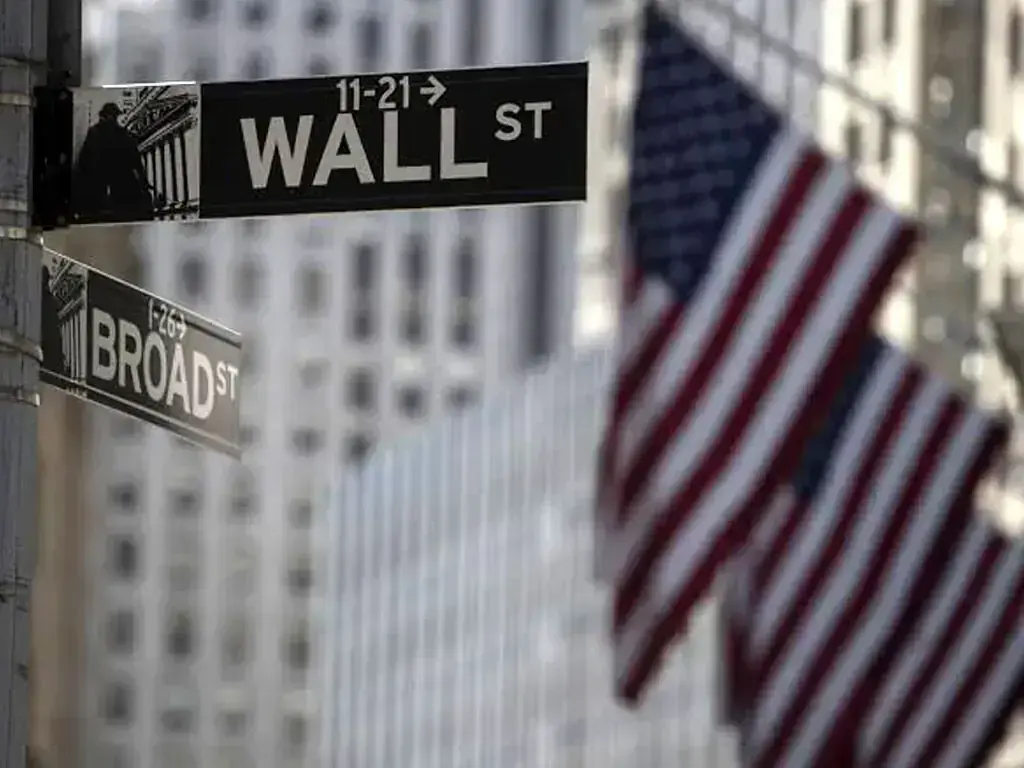

WASHINGTON: Wall Street bank capital would fall 4.8% under softened capital rules bank regulators unveiled on Thursday, freeing up billions of dollars for lending, dividends and share buybacks in a stunning victory for the industry which had faced double-digit hikes under a previous plan laid out in 2023.
The proposed “Basel III” and “GSIB surcharge” changes to how banks calculate funds they put aside to absorb losses should be a boon for Goldman Sachs, Morgan Stanley, JPMorgan Chase, Citibank and other lenders that have fought to overhaul U.S. capital rules, although analysts warned some will benefit more than others.
Capital levels at larger regional banks such as PNC and Truist would fall by 5.2%, the Federal Reserve said, while banks with less than $100 billion in assets would enjoy a 7.8% decline.
The proposals “would further enhance and streamline the capital framework while ensuring that U.S. banking organizations continue to be safe, sound, and able to support the U.S. economy,” Fed staff wrote.
Critics, meanwhile, say they will weaken financial system safeguards just as geopolitical and private credit risks are surging.
‘Credit negative’
The Fed, Federal Deposit Insurance Corporation and Office of the Comptroller of the Currency were set to approve the proposals Thursday morning and to begin soliciting feedback, kicking off another potentially frenetic round of industry lobbying as banks gain clarity over how they will fare versus their peers.
The eight most interconnected global U.S. banks alone hold around $1 trillion in combined capital, according to industry groups, suggesting they could save roughly $50 billion.
The overhaul, which is being led by Fed Vice Chair for Supervision Michelle Bowman, follows a years-long Wall Street bank campaign to ease rules introduced after the 2008 financial crisis which they say are excessive and are stifling lending and the economy.
Bowman, who was appointed by Republican President Donald Trump, said at a Fed board meeting convened to vote on the proposals that the changes would better calibrate requirements in line with risks and that capital will still remain “robust”.
Analysts at Moody’s wrote on Thursday that falling capital would be “credit negative” for lenders, adding: “Given the variation in business models and balance sheet mixtures among U.S. banks, the impact will likely vary significantly by bank.”
Unprecedented industry fight
Regulators have tried for years to implement the “Basel Endgame”, the final piece of international capital standards introduced following the crisis, which focuses on how banks assess and allocate funds to credit, market and operational risks.
Bowman’s Democratic predecessor Michael Barr tried to advance a plan that would have hiked capital for some banks by as much as 20%, but lenders launched an unprecedented campaign to weaken the rule, winning over many lawmakers and sowing division among the regulators. That dragged the project into the Trump administration, which has sided with the industry.
The Fed also on Thursday proposed tweaks to the “GSIB surcharge” for Global Systemically Important Banks to be levied on those eight global U.S. lenders by updating some economic inputs and adjusting how short-term funding risk is calculated.
Barr opposed the changes, saying in a statement they were “unnecessary and unwise,” and estimated the GSIBs would save around $60 billion in capital.
Industry executives, meanwhile, celebrated the news but added that it would take time to understand the full impact given the complexity of the combined changes.
“First impressions are that this is a significant improvement on the previous proposal,” said Scott O’Malia, CEO of the International Swaps and Derivatives Association, which lobbied for changes to Barr’s draft. “But the devil is in the detail,” he added.







 American Dollar Exchange Rate