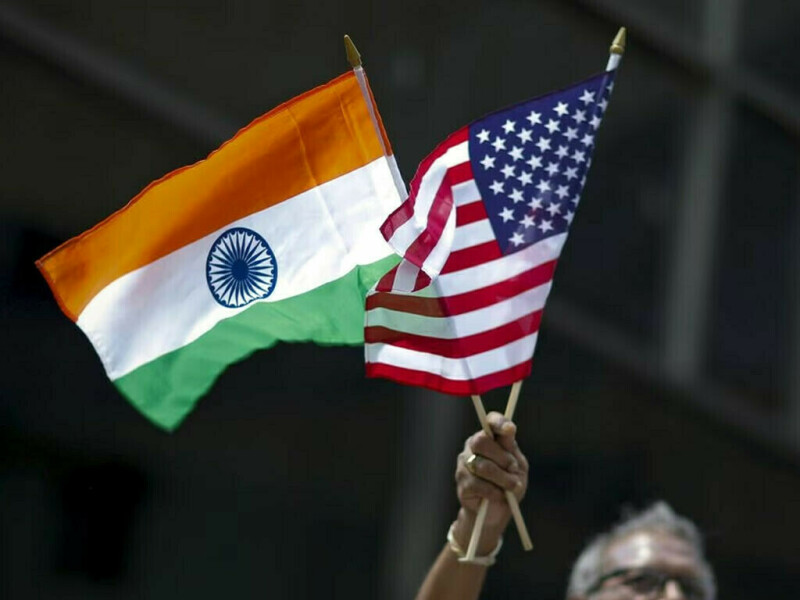

MUMBAI: U.S. and India trade negotiators were pushing on Wednesday to finalise a tariff-reducing deal ahead of President Donald Trump’s July 9 negotiating deadline, but disagreements over U.S. dairy and agriculture remained unresolved.
Why are farm goods imports sensitive in India?
Agriculture and its allied areas contribute just 16% to India’s $3.9 trillion economy, but sustain nearly half of the country’s 1.4 billion population. As farmers remain the most powerful voting bloc, Prime Minister Narendra Modi’s government was forced into a rare retreat four years ago when it tried to push through controversial farm laws.
The prospect of cheaper imports from the United States threatens to drive down local prices, handing the opposition a fresh opportunity to attack the government. New Delhi has traditionally kept agriculture out of Free Trade Agreements with other nations. Granting market access to the U.S. could force India to extend similar concessions to other trading partners.
Indian rupee supported by hopes of India-US trade deal, weak US jobs data
How do Indian and US farms compare?
The average Indian farm comprises just 1.08 hectares, compared to 187 hectares in the United States. In dairy, the average herd size in India is two to three animals per farmer, compared to hundreds in the United States.
This difference makes it difficult for small Indian farmers to compete with their U.S. counterparts.
Farming in India remains largely unmechanized because small, fragmented land holdings leave little room for large machinery. In many regions, farmers rely on techniques passed down through generations, a sharp contrast to U.S. farms, where cutting-edge equipment and AI-driven technologies have raised productivity.
Which products is US lobbying for? Why is India resisting?
The United States is pressing India to open its markets to a wide range of American products, including dairy, poultry, corn, soybeans, rice, wheat, ethanol, citrus fruits, almonds, pecans, apples, grapes, canned peaches, chocolates, cookies, and frozen French fries. While India is willing to grant greater access to U.S. dry fruits and apples, it is holding back on allowing imports of corn, soybeans, wheat, and dairy products.
India does not allow genetically modified (GM) food crops, while most U.S. corn and soybean production is GM-based.
Dairy remains a sensitive issue in India, where cultural and dietary preferences strongly influence food choices. Indian consumers are particularly concerned that cattle in the U.S. are often fed with animal by-products, a practice that conflicts with Indian food habits.
US, India push for trade pact after Trump strikes deal with Vietnam, sources say
Why does India oppose us ethanol for blending with gasoline?
A key aim of India’s Ethanol Blended Petrol (EBP) program is to cut dependence on energy imports by blending domestically-produced ethanol with gasoline. Significant investments by domestic companies mean that India is now close to achieving its ambitious target of blending 20% ethanol. Importing ethanol would undermine those companies.
The EBP also helps manage surpluses of rice, sugarcane, and corn by diverting them to ethanol production. Allowing imports of U.S. ethanol would be a serious setback for India’s emerging distillery sector.






 American Dollar Exchange Rate