

ISLAMABAD: Pakistan has emerged as a key intermediary between Iran and the United States to try to secure talks to end their war in the Gulf.
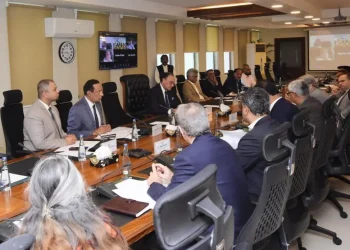
On Thursday, Foreign Minister Ishaq Dar confirmed Islamabad was involved, saying “US-Iran indirect talks are taking place through messages being relayed by Pakistan”.
“Pakistan has strong credentials as the only country in the region enjoying good relations with the US and Iran,” said the country’s former ambassador to Tehran, Asif Durrani.
READ MORE: Pakistan facilitating indirect US-Iran talks, says Dar
“Concurrently, it enjoys strategic relations with Saudi Arabia, the Gulf states and Turkiye,” he told AFP, using Turkey’s official name.
What has Pakistan said about the war?
Pakistan has avoided taking sides and tried instead to maintain stable relations with all parties.
Prime Minister Shehbaz Sharif condemned both the US-Israeli strikes that killed Iran’s supreme leader, Ayatollah Ali Khamenei, and Tehran’s retaliation against its neighbours.
He and Dar have both been busy, talking to senior Iranian government ministers and regional leaders.
READ MORE: Shehbaz briefs Malaysia’s Ibrahim on US-Iran mediation efforts
Pakistan “has consistently advocated for dialogue and diplomacy to promote peace and stability in the region”, foreign ministry spokesman Tahir Hussain Andrabi said.
What are Pakistan’s ties to Iran?
Pakistan shares a 900-kilometre (560-mile) border in its southwest with Iran, and also deep historical, cultural and religious links.
Iran was the first country to recognise Pakistan after independence in 1947. Pakistan returned the favour for the Islamic republic after the 1979 revolution.
They cooperated against Moscow during the Soviet occupation of Afghanistan.
READ MORE: Pakistan has conveyed US proposal; Turkiye or Pakistan could host talks, senior Iranian official says
Pakistan also represents some Iranian diplomatic interests in Washington, where Tehran has no embassy.
And it is home to the world’s second-biggest Shia Muslim population after Iran.
How about the US?
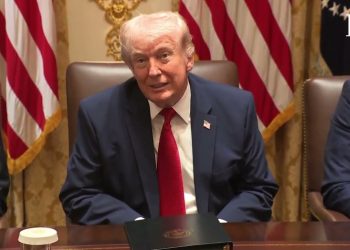
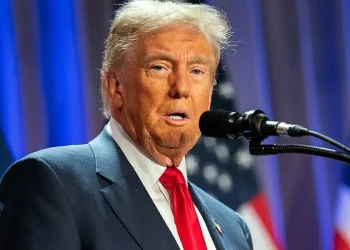
Pakistan’s army chief, Field Marshal Asim Munir, has built up a personal rapport with US President Donald Trump and spoke to him last Sunday.
Sharif praised Trump’s “bold and visionary” intervention, while Munir said the US leader deserved the Nobel Peace Prize for stopping an escalation between the nuclear-armed neighbours.
READ MORE: Pakistan acting as main go-between in Trump’s Iran crisis: FT
On Iran, Trump said Pakistan knows the country “better than most” and this week shared Sharif’s X post that Pakistan was “ready” to host talks to end the conflict.
Personal relations have long helped boost bilateral ties shaped by shifting strategic interests.
But even as a non-NATO ally in the post-9/11 “war on terror”, Pakistan faced US claims that it was harbouring militants responsible for attacking coalition troops across the border in Afghanistan.
Relations strained further when US troops killed al-Qaeda chief Osama bin Laden on Pakistani soil in 2011 without telling Islamabad, and Pakistan faced accusations of complicity in harbouring the fugitive.
Saudis and Shia
Pakistan and Saudi Arabia signed a strategic mutual defence agreement in 2025.
Sharif and his government have been quick to keep Riyadh on side, and the prime minister recently visited for talks with Crown Prince Mohammed bin Salman.
What’s in it for Pakistan?
Neutrality makes economic sense for Pakistan, which relies on oil and gas imports through the Strait of Hormuz. Continued disruption could worsen fuel supplies, drive up prices and force further austerity measures.
“Pakistan, being located right on the war’s doorstep, clearly would prefer to take steps meant to help end the war, and not get dragged into it,” South Asia expert Michael Kugelman posted on X this week.
An end to the conflict would not only boost regional stability and security but also Pakistan’s international standing.





 American Dollar Exchange Rate