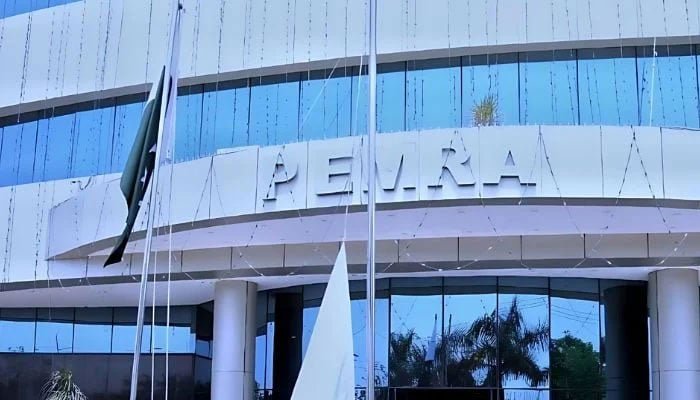
In 2016, Pakistan was ready to enter a new era of digital broadcasting, but the Direct-to-Home service in Pakistan never became a reality. The Pakistan Electronic Media Regulatory Authority (PEMRA) auctioned three DTH licenses worth nearly Rs15 billion. It was seen as a major step toward high-quality satellite-based television. However, nine years later, the Direct-to-Home service in Pakistan still has not launched, leaving the market far behind regional competitors.
The main problems began with regulatory confusion. Different government bodies such as PEMRA, the Frequency Allocation Board, Suparco, and the Ministry of Information handled overlapping responsibilities. Each step caused delays, changing rules, and uncertainty for investors. The process became slow and complex, discouraging even strong companies from moving forward.
Another major issue was the mandatory use of PAKSAT, Pakistan’s national satellite system. While it was meant to support local technology, it increased costs and reduced flexibility. In other countries, operators use multiple satellites to improve performance and reduce costs, but in Pakistan, this option was limited.
Taxes also played a big role. The Federal Board of Revenue raised import duties on set-top boxes, doubling their prices. A device that costs $20 elsewhere could cost up to $55 in Pakistan. For most families, this made DTH unaffordable. At the same time, illegal satellite TV feeds became common, offering cheaper options with little government control.
The final challenge was that Pakistan focused on an outdated one-way broadcast model while the rest of the world moved toward hybrid satellite-and-internet systems. This stopped innovation and kept Pakistan behind in digital transformation.
Experts now suggest reforms — better coordination between regulators, fair tax policies, and support for hybrid DTH models — to help Pakistan modernize its media and communication system.
 American Dollar Exchange Rate