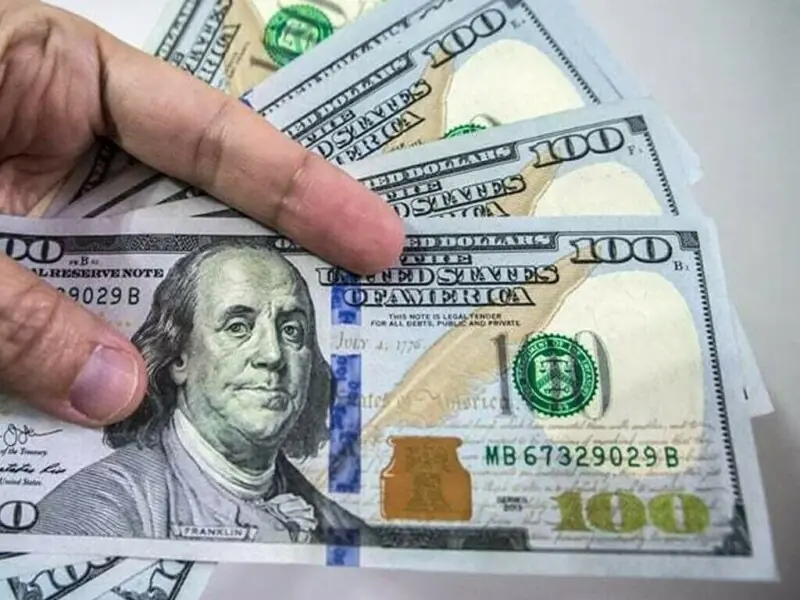

The Pakistani rupee strengthened against the US dollar, appreciating 0.01% in the inter-bank market on Friday.
At close, the local currency settled at 280.17, a gain of Re0.03 against the greenback.
On Wednesday, the local unit closed at 280.20.
Globally, as the new year approaches, investors are focused on when the US Federal Reserve might further cut interest rates and by how much. Traders are pricing in at least two cuts in 2026, although they do not expect the Fed to move before June.
The central bank itself has projected one more cut next year, but a divided Fed has left investors on edge about the US policy outlook.
Investors are also awaiting President Donald Trump’s nomination of a new Fed chair to replace Jerome Powell, whose term ends in May, and any hint of Trump’s decision could sway markets in the coming week.
The US dollar has been pressured as a result, pushing the euro, sterling and the Swiss franc to recent highs.
The dollar index, which measures the dollar against six rivals, was poised for a 0.8% drop for the week, its weakest weekly performance since July. It was steady at 97.935 in Asian hours on Friday.
The Japanese yen was a shade weaker at 156.23 per U.S. dollar but on course for a 1% weekly rise, its biggest weekly gain since the end of September, after strong bouts of verbal warnings from Tokyo that have left intervention risks on the table.
The yen has weakened despite the Bank of Japan delivering a well-telegraphed rate hike last week as markets interpreted comments from Governor Kazuo Ueda to suggest the central bank will not rush further rate hikes.
Oil prices, a key indicator of currency parity, nudged higher on Friday after the US put greater economic pressure on Venezuelan oil shipments and carried out airstrikes against the Islamic State in Nigeria’s Sokoto state, in coordination with the African country’s authorities.
Brent crude futures rose 5 cents, or 0.1%, to $62.29 per barrel by 0606 GMT.
US West Texas Intermediate (WTI) crude was up 6 cents at $58.41.




 American Dollar Exchange Rate